Striking in MMA
Striking for MMA (Mixed Martial Arts) is different than striking in any other specific or traditional martial art. The evolution of kickboxing and standup fighting within MMA has changed as the sport has grown, and fighters are continuing to change it. The possibility of being taken down changes techniques and footwork and movement to some degree, and MMA fighters must train kickboxing in a way that addresses this constant threat of takedowns (and not just train to fight another kickboxer). Because of the broader rules and allowed techniques in MMA, the most successful MMA fighters generally have a personal blend of several striking styles, and although fighters may come from one of many traditional backgrounds, the three basic styles that are currently the most successful in MMA are boxing, kickboxing, and Muay Thai or Thai boxing. The best MMA fighters have an excellent grasp of all three and can combine them in a way that works for their personal strengths.
When we refer to the “stand up” aspect of mixed martial arts nowadays, we are not referring to a specific style such as karate or tae kwon do or boxing (although aspects of those arts may be utilized). Many traditional arts were developed for use in combat; most have components of weapon attacks and defenses. When modern “mixed martial arts” contests began, fighters usually had a primary background in one of these more traditional styles, so the fights were “wrestling vs. karate,” “boxing vs. jiu jitsu,” etc. As the sport has evolved, vulnerabilities in these traditional styles (at least for MMA purposes) were exposed, and as a result MMA fighters began cross-training to fill the holes in their games; most fighters are now very well rounded. Although many still have an area where they are especially skillful and comfortable, they still know enough of the other aspects of a mixed martial arts fight to survive. In traditional contests based in one style, points are scored a certain way and there are many techniques that are illegal. For instance, boxers can stand more sideways and move their heads around a great deal to avoid being hit. But once you add kicking and kneeing and other forms of striking for MMA to the fight, a pure boxer is extremely vulnerable. By cross-training in several stand-up styles, fighters pick up the strengths of each system and weed out the weaknesses.
Grapplers and wrestlers are also learning striking for MMA, turning to striking arts in order to round out their skill set for the broader rules of mixed martial arts. If you took a Brazilian Jiu Jitsu (BJJ) player who has an excellent ground game and put him against a kickboxer who has a great jab and fast feet, it would be difficult for the pure BJJ player to close the distance and take the fight to the ground. Once specialized MMA fighters began to see the holes in their games, they began to seek out more training and knowledge in other arts. For example, the above BJJ player may have sought out a wrestler to teach him takedowns. The kickboxer began training on the ground to develop the skills to escape submissions and reverse positions. And heavily stylized standup fighters, who were skilled in more traditional arts, began cross training their boxing and kickboxing in order to round out their games to deal with other strikers as well as grapplers.
So how does striking for MMA work? Generally speaking, there are three ranges that MMA fighters must understand and be able to strike from, and the successful fighters can move between these ranges smoothly and effectively. The longest range is a kicking range, where kicks can land but not hands. Next is the boxing range, where strikes with hands become a factor. And finally we move from boxing range to clinch range, where knee and elbow strikes are the primary weapons. There can be some overlap with techniques and ranges (for example, a long knee can be thrown from boxing range with the proper setup, and kicks can be thrown from boxing range with some adjustments. If MMA fighters are not able to understand and move between ranges then they are at a disadvantage.
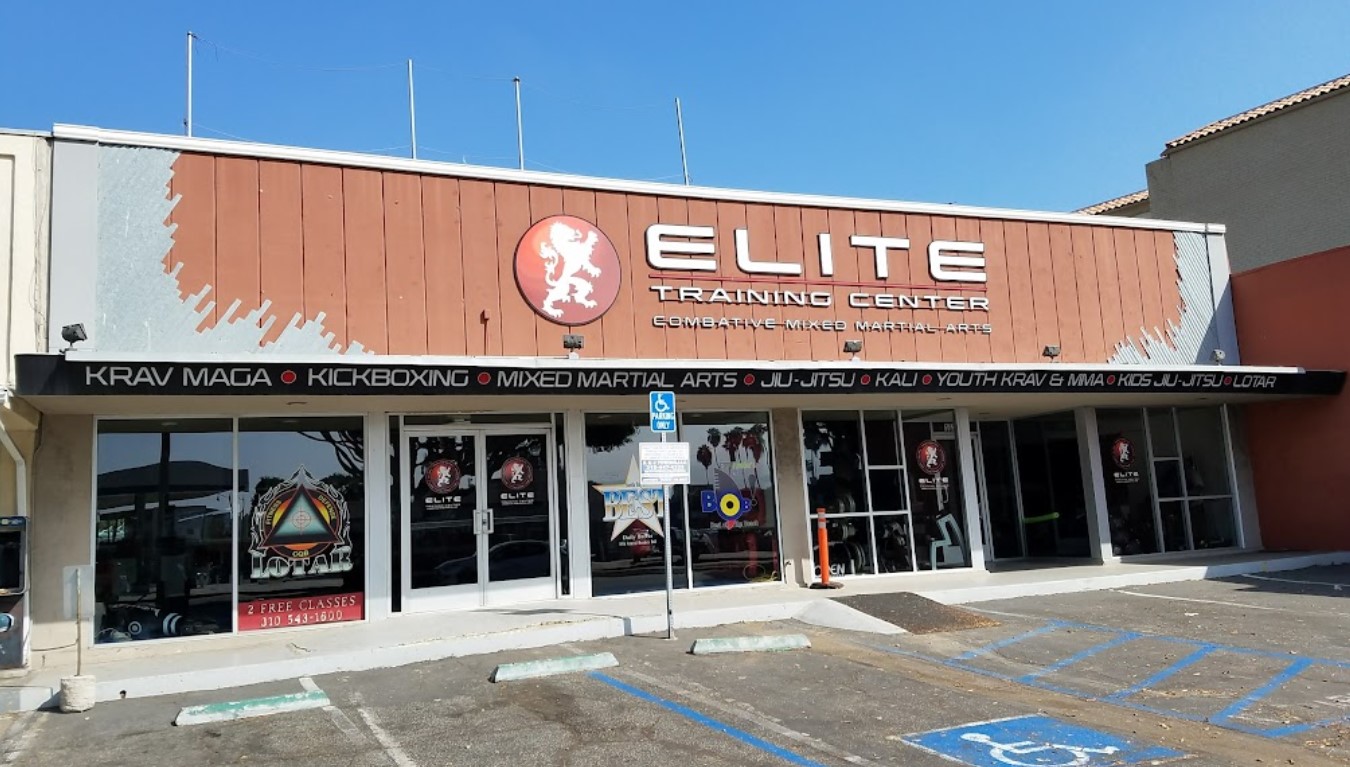
There are several standing styles which are heavily represented in striking for MMA. Three of these are boxing, kickboxing, and Muay Thai kickboxing. Muay Thai or Thaiboxing (Thai boxing) is fantastic for mixed martial arts because it is a brutally efficient art. Kicks are designed to cause a great deal of damage, and the elbow and knee strikes are perfect for MMA. If Muay Thai has traditionally had a weakness it is in the punching techniques. Thais have brought in Western Boxing instructors in the last 20 years or so and Thai fighters have improved dramatically, but here in the USA many of our Mixed Martial Arts MMA fighters train in boxing at some point in their careers. Boxing teaches head movement and punch avoidance as well as training fighters to hit hard and fast. Footwork is emphasized to get you in and out of range. “Kickboxing” is a generalized term for many similar styles from Combat Karate to Dutch Kickboxing. Muay Thai is sometimes included in this category as well. Kickboxers generally have excellent footwork, great hands, and powerful kicks. They are usually only missing the elbow and knee strikes that Muay Thai provides (although some systems do include them). At Elite Training Center we have instructors who are experienced in each of these heavily represented styles; many of our instructors also have a background in more traditional styles, so our MMA program is very well rounded in the striking or standup portion as well as in the other aspects of an MMA fight (such as takedowns, grappling or Brazilian Jiu Jitsu, and ground and pound).
One interesting thing to point out that is unique to striking for MMA is the number of Southpaw (left handed stance) fighters there are in mixed martial arts and the UFC. Many traditional striking arts have a stance with the left foot forward for right handed practitioners, which enables the strong right hand to deliver a more powerful punch. But in MMA, a knockout punch isn’t always the most sought after ending. Wrestlers traditionally have their right foot and right hand forward for takedowns. The right hand does much more grabbing, so in MMA, where there is both punching and grabbing, more and more fighters prefer to take a southpaw stance. Again this is an example of the evolution of kickboxing and stand-up striking for Mixed Martial Arts.
Striking for MMA is so much more complicated than simply kicking and punching. It has evolved from fighters of specialized styles to a style of its own, taking the best techniques and defenses from many specific arts (such as Western Boxing, kickboxing, and Muay Thai) that work for the rules and structure of an MMA fight. At Elite, our kickboxing and MMA programs are designed to complement one another so that students can train in either or both seamlessly, progressing and having success in each.
~Katie Toney
Elite Training Center
1628 South Pacific Coast Highway,
Redondo Beach, CA 90277
(310) 543-1600
www.elitetrainingcenter.net
Striking for MMA: Kickboxing in Redondo Beach
Striking for MMA

Tony P ~ Brazil