Purchasing a Handgun
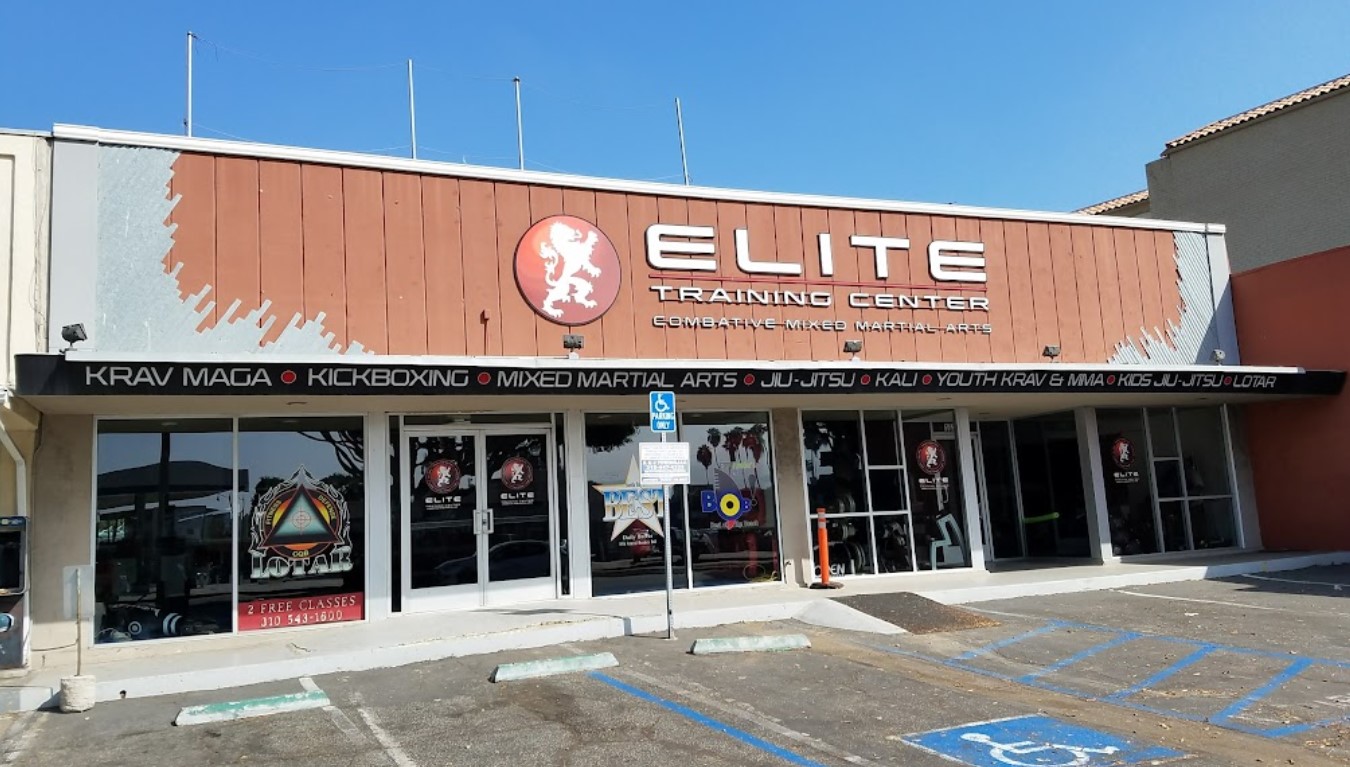
Recently I have been approached by many students of Elite Training Center who are interested in purchasing a handgun. For most of them, it will their very first firearm purchase and they are unsure as to where to start. The first thing that many of these students want to know is how to choose the correct handgun for THEM. Believe me; now-a-days this is not as simple as walking into your local gun store, pointing at a particular handgun and saying “That one!” I have personally witness many incidences where individuals have chosen the wrong handgun for themselves. This improper selection often negatively impacts not only their ability to accurately fire the handgun but their overall enjoyment of the shooting sports.
Right about now you should be asking yourself, “How do I select a handgun that is appropriate for me?” There are four (very) basic points to consider when selecting a handgun for purchase. Each time you purchase a handgun, you should consider these points to ensure that you are selecting a handgun that is appropriate for you and the purpose for which the handgun is intended.
Purpose: What role/purpose is the handgun intended to fill? This is the very first thing that you need to consider when buying a handgun. Do you want a handgun that will be strictly kept at home for the sole purpose of home defense? Are you looking for a handgun that will be used for concealed carry (not very likely in the state of California, but a possibility)? If you are a law enforcement official, is the handgun going to be a primary or backup weapon? Are you going to partake in competitive shooting events with your new handgun? Are you purchasing this new handgun so that you can take one of Elite Training Center’s extremely informative and beneficial handgun classes (I know, shameless self-promotion)? How you answer these questions will help you select the proper style and caliber of your new handgun.
Style: There are two basic styles of modern handguns, revolvers and pistols. Revolvers have a central cylinder that holds the individual rounds of ammunition. Additionally, revolvers utilize a double-action trigger which can require a bit more hand strength to operate. Pistols are semi-automatic handguns (NOT AUTOMATIC! Sorry, this is a bit of a pet peeve of mine) that use a removable magazine to hold the individual rounds of ammunition. Whether a pistol uses a double-action or a single-action trigger varies between manufacturer and model. Generally speaking, revolvers are less complicated than pistols to operate but are limited in the amount of rounds they can carry (5-6 compared to +10 in a pistol). Pistols have a higher rate of fire than revolvers (unless you’re Jerry Miculek……just Google him), but their increase ammunition capacity affects how they fit in the hand and makes them a bit heavier in weight than a revolver. Which type of handgun should you choose? Well, that will depend on the intended purpose of the handgun and the individual’s level of training (current and intended).
Caliber: Simply put, a caliber is a designation of the general size of bullet that a particular handgun is designed to fire. What does this mean to an individual who is considering purchasing a handgun? Generally speaking the larger the caliber, the greater the felt recoil during firing and an increase in overall weight of the loaded handgun. Selecting a caliber that is appropriately matched to a shooters size, strength and ability is extremely important to ensure proper marksmanship and general shooting enjoyment. Another consideration in caliber selection is the availability and cost of ammunition for the handgun. This becomes an issue during training with the new handgun. If the ammunition is hard to get or is prohibitively expensive, a person will become reluctant to train with enough regularity to become proficient with their handgun.
Fit: This is often the most overlooked consideration when purchasing a handgun. Proper fit is greatly influenced by not only an individual’s hand size but also the grip (how they hold the handgun) that the individual uses. Ideally, the fingers of the firing hand should wrap securely around the handgun’s grip and cover approximately half of the grip on the opposite side of the handgun. Another factor in proper fit is how low the handgun sets in the hand. The closer the centerline of the barrel is to the web of the hand (the area between the thumb and forefinger), the better a shooter will be able to absorb felt recoil, thus improving their marksmanship and overall shooting enjoyment.
Two of the most common mistakes made when selecting a new handgun are poor caliber selection and improper fit. Many times an individual is persuaded either by peer pressure, write ups in shooting publications, an uninformed salesperson or simply ego (the “More Power” syndrome) to purchase a handgun in a particular caliber that is ill suited to their size, strength and ability. More often than not, the result is an unused handgun and an untrained firearm owner……a dangerous combination to be sure. Proper fit is often overlooked because once a caliber selection has been made an individual considers the handgun selection process over. Nothing could be further from the truth. Even if an appropriate caliber has been selected, an ill fitting handgun will plague an individual with marksmanship issues regardless of the amount of training and practice they have with the handgun. The biggest mistake a person can make when purchasing a handgun is letting somebody else select your handgun for you. This is most often seen when a generally helpful husband, selects/purchases a handgun for his wife. While his heart “may” be in the right place, he seldom selects an appropriate handgun for his wife. The result is a wife who will become disinterested in shooting, with a handgun that she is not capable of properly handling (warning: this may have been the husband’s original intent).
So what are you supposed to take away from all of this? Properly selecting and purchasing a handgun is a very personal endeavor that requires research, honesty and patients. It can often be beneficial to consult a reputable and experienced firearms instructor to help you through the selection process. The firearms instructors at Elite Training Center have helped many new shooters select and purchase their first handguns. If you have any questions about purchasing a handgun or would like an instructor to help you with the selection process, be sure to ask to speak to one of our firearms instructors soon.

Instructor William Green
ECCE·EGO·MITTE·ME
—————————————————————————————————-
Elite Training Center
1628 South Pacific Coast Highway,
Redondo Beach, CA 90277
(310) 543-1600
www.elitetrainingcenter.net
—————————————————————————————————-