History of Kali: The Ancient Filipino Martial Art
Kali, also known as Arnis or Escrima, is one of the world’s oldest weapon-based martial arts. Originating from the diverse tribal fighting systems of the Philippine islands, Kali developed over centuries of warfare, survival, and cultural tradition. Its focus on fluid motion, angular footwork, and improvised weapons has made it one of the most adaptable and practical combat systems in the world.
Pre-Colonial Warrior Culture
Long before foreign influence reached the Philippines, indigenous tribes trained extensively in combat. Warrior classes known as maharlika and mandirigma used blades, spears, sticks, shields, grappling, and joint manipulation. Because the islands were covered with dense forests and tight terrain, early Kali emphasized quick, efficient movement and close-range fighting. Techniques were passed down through generations in rituals, cultural dances, and community training, creating a deeply rooted martial tradition.
Spanish Colonization and Hidden Training
When the Spanish arrived in the 1500s, Filipino warriors encountered new European military tactics, prompting adaptations in both strategy and weaponry. Although the Spanish attempted to suppress local fighting arts, Filipinos continued to practice Kali in disguised forms. Training was woven into traditional dances, festival performances, and community celebrations, allowing the system to survive and evolve despite colonial restrictions.
20th Century Evolution and Global Reach
In the modern era, Filipino martial artists began teaching abroad—particularly in the United States—where the efficiency and realism of Kali quickly gained respect. The art spread through martial arts schools, cross-training, law enforcement programs, and military interest. Kali’s strength lies in its ability to transition seamlessly between weapons and empty-hand techniques, making it valuable for practical self-defense and combat sports. Its appearance in films and modern tactical training further expanded its influence around the world.
Train Kali in Redondo Beach
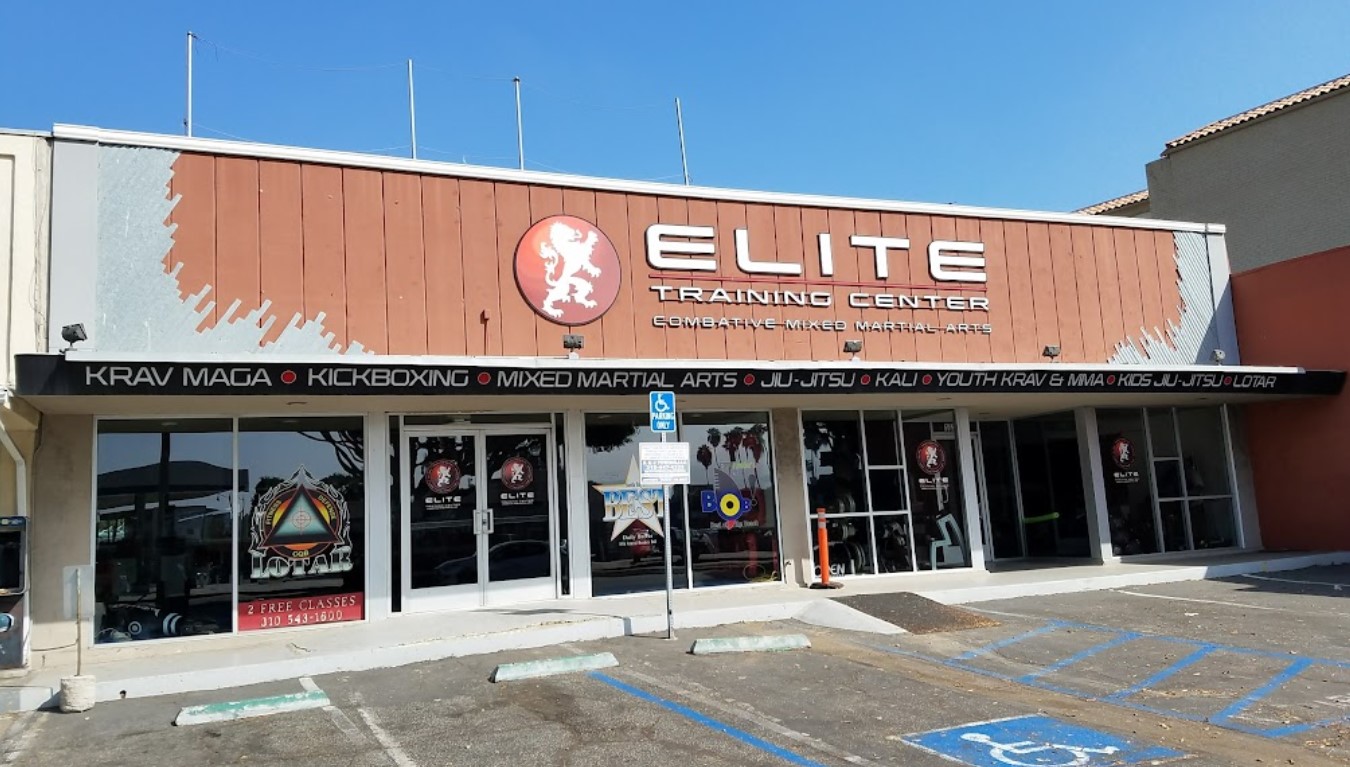
If you want hands-on experience with authentic Filipino martial arts, you can try 2 free classes at our school. Learn more about our Kali Martial Arts Classes in Redondo Beach
FAQs About Kali (Arnis / Escrima)
What is Kali?
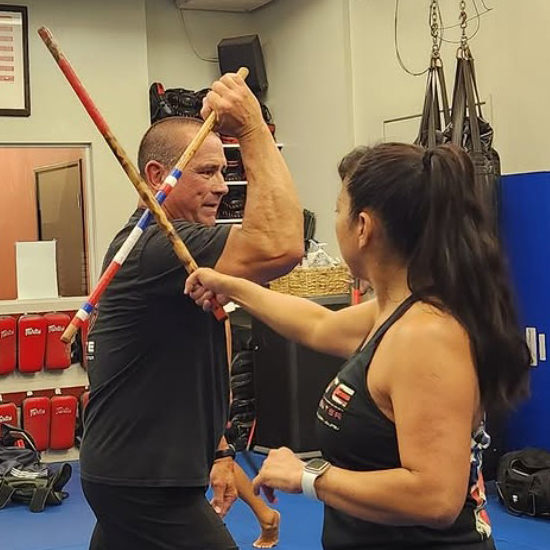
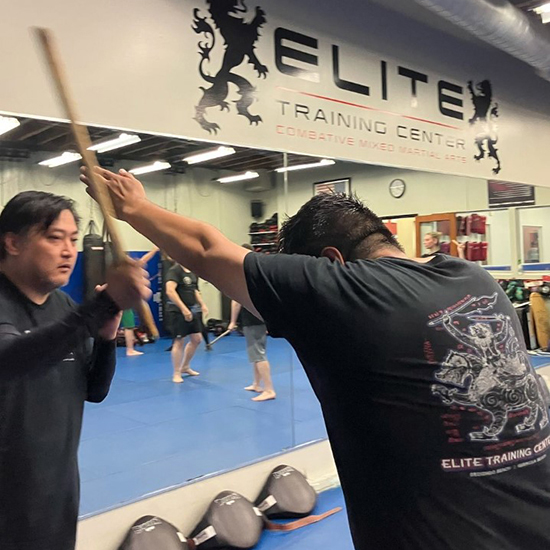
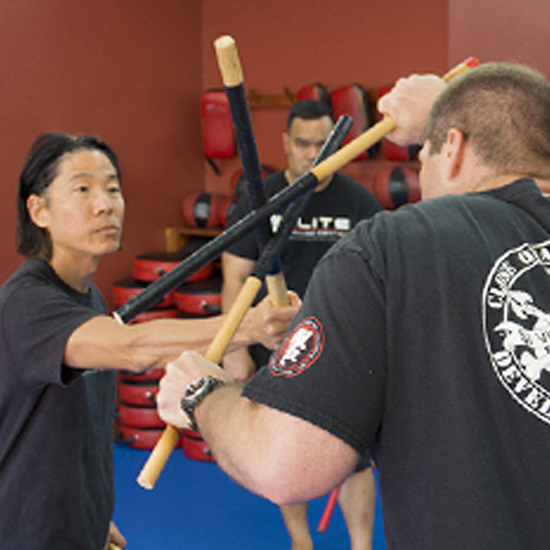
Kali is a Filipino martial art centered on weapons training—especially sticks and blades—while also teaching striking, grappling, footwork, and empty-hand techniques.
Is Kali only about weapons?
No. While weapons are used early to develop coordination and timing, the movement patterns translate directly into practical empty-hand skills.
Is Kali good for self-defense?
Yes. Kali teaches timing, distancing, improvisation, and situational awareness, which makes it highly effective in real-world encounters.
What weapons are typically used?
Training usually involves rattan sticks and practice blades, but students also learn how to use everyday objects as defensive tools.
Is Kali beginner-friendly?
Absolutely. The movements are intuitive, and students generally start seeing improvements in coordination and timing within a few months.
Why do some call it Arnis or Escrima?
These names reflect regional variations across the Philippines. While the terms differ, they all share similar origins and technical foundations.
How long does it take to improve?
Progress depends on consistency, but most students notice better awareness, flow, and confidence within weeks of regular training.