History of Kickboxing
Kickboxing is a modern martial art that draws heavily from Muay Thai, a traditional combat system from Thailand known as “the science of eight limbs” because it utilizes punches, kicks, elbows, and knees. The origins of kickboxing, however, are rooted in both ancient and more recent fighting traditions across Southeast Asia.
Early Origins of Muay Thai
Muay Thai developed over centuries as a practical military fighting technique in Thailand. Its earliest form, known as Muay Boran (“ancient boxing”), was used by Siamese soldiers to defend themselves in hand-to-hand combat and to fight with traditional weapons such as sticks and swords in conjunction with Krabi Krabong, the Thai weapon-based martial art. The precise origins of Muay Thai remain a topic of debate. Some historians suggest it was practiced by the Thai people even before their migration into Southeast Asia, possibly influenced by Chinese martial arts. Others argue that it incorporated techniques from the Khmer Empire. Likely, the art evolved from a combination of local and regional martial traditions.
Cultural and Sporting Evolution
As Muay Thai developed, it became more than just a battlefield skill. It gradually evolved into a spectator sport, often performed during festivals and temple celebrations. Kings and nobles were entertained by Muay matches, which later became codified events. Early fighters wrapped their hands and forearms with ropes, a practice called Muay Kadar Chuek, to protect themselves during combat.
During the Ayutthaya Period, select Muay fighters were invited into the royal court to train soldiers, members of the royal household, and the king’s personal guards. This version of the art, known as Muay Luang (“royal boxing”), was considered a prestigious practice and reflected the highest level of skill. A royal regiment known as Grom Nak Muay (Muay Fighters’ Regiment) was even established to protect the kingdom and demonstrate the importance of Muay in Thai society.
The reign of King Chulalongkorn (Rama V) in the late 19th century marked a golden age for Muay Thai. The country enjoyed relative peace, and Muay became both a means of physical exercise and a pathway to personal advancement. Fighters trained in camps that provided food and shelter, often adopting the camp’s name as their own surname. Later, after deaths in the ring, King Rama VII introduced codified rules, including modern gloves and foot coverings. It was around this time that the term Muay Thai became commonly used, distinguishing it from its older form, Muay Boran.
The Emergence of Kickboxing
The techniques of Muay Thai spread beyond Thailand, influencing martial arts worldwide. In the 1950s, kickboxing emerged as a distinct martial art in Japan, Europe, and North America. While often confused with Muay Thai, modern kickboxing differs in important ways: kicks and punches are allowed above the waist, but strikes with elbows and knees are generally forbidden, and shin use is limited. This adaptation created a sport-oriented form of combat that emphasized athletic competition while retaining the efficiency and power of traditional techniques.
Techniques and Training
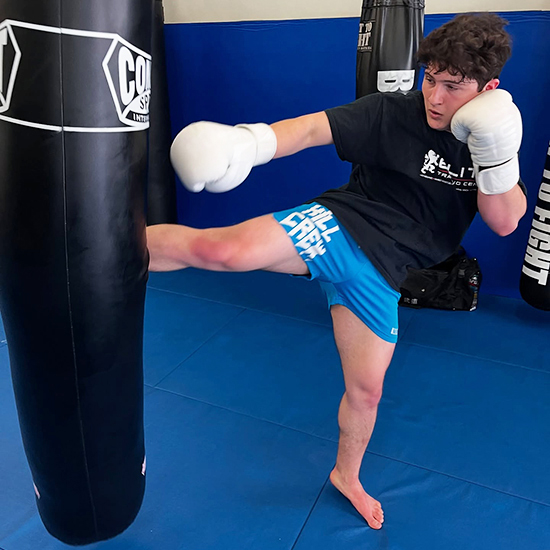
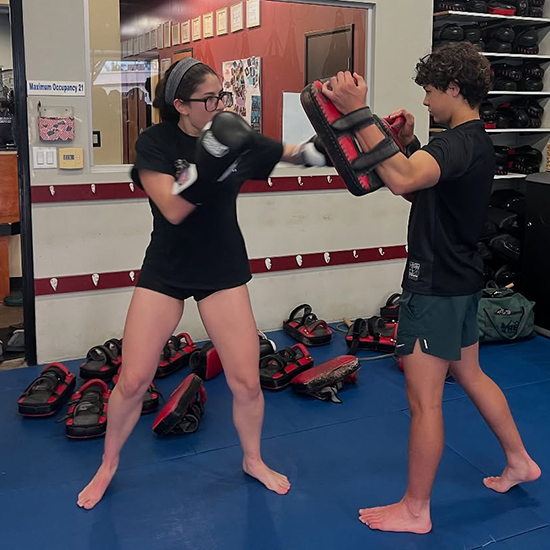
Kickboxing relies on whole-body movements, generating power through the rotation of the hips and coordinated strikes. Key techniques include punches, kicks, elbows, knees, clinch work, and defensive maneuvers such as the “wall of defense” using shoulders, arms, and legs. Training develops strength, endurance, coordination, and situational awareness, making it not only a competitive sport but also a practical system for self-defense and cross-training for other martial arts disciplines.
Modern Influence and Global Reach
Today, kickboxing serves as both a martial art and a fitness regimen, integrated into mixed martial arts (MMA) and self-defense programs worldwide. Its influence extends to contemporary combat sports, law enforcement training, and recreational fitness. Practitioners benefit from increased agility, physical conditioning, and confidence, while maintaining a strong connection to the art’s rich historical roots.
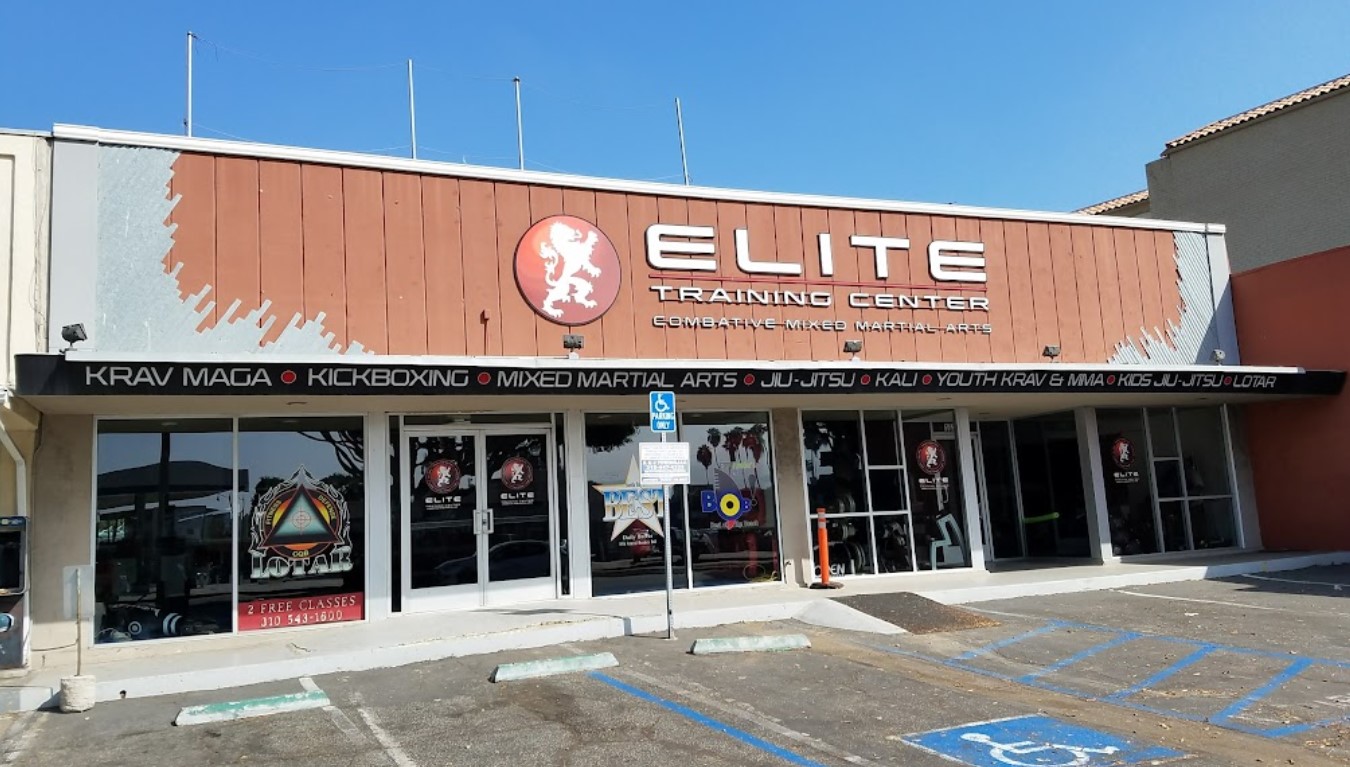
At Elite Training Center, students study kickboxing as part of a diverse curriculum that includes Muay Thai, Krav Maga, Jiu-Jitsu, Kali/Silat/Eskrima, LOTAR, and boxing. The goal is to teach effective techniques rooted in tradition, while applying them in modern self-defense, mixed martial arts, and fitness contexts.
Kickboxing Training in Redondo Beach
For those interested in hands-on training, you can try 2 free classes at our MMA Gym and experience the art firsthand under expert instruction. Learn more about our Kickboxing Martial Arts Classes in Redondo Beach

FAQs: History of Kickboxing
What is the difference between Muay Thai and kickboxing?
Muay Thai is a traditional Thai martial art using punches, kicks, elbows, and knees. Kickboxing is a modern sport derived from Muay Thai and other martial arts, typically restricting strikes to punches and kicks above the waist and limiting elbow and knee strikes.
Where did Muay Thai originate?
Muay Thai originated in Thailand, evolving from ancient Siamese military combat and influenced by regional martial traditions from China and the Khmer Empire.
When did kickboxing become popular?
Kickboxing became a distinct sport in the 1950s in Japan, Europe, and North America, blending Muay Thai techniques with other martial arts and adapting rules for competitive sport.
What is Muay Boran?
Muay Boran, meaning “ancient boxing,” is the predecessor to Muay Thai. It includes hand-to-hand combat techniques, as well as weapon-based fighting through Krabi Krabong.
How is kickboxing used today?
Kickboxing is practiced for sport, self-defense, and fitness. It is also commonly integrated into MMA training, cross-training programs, and self-defense systems worldwide.