History of Brazilian Jiu-Jitsu
What is Brazilian Jiu-Jitsu?
Brazilian Jiu-Jitsu (BJJ) is a martial art and combat sport focused on ground fighting, leverage, and submission techniques. Unlike striking arts, BJJ emphasizes controlling an opponent through joint locks, chokes, and positional dominance. It teaches practitioners how to neutralize larger, stronger opponents by using technique, timing, and leverage rather than brute strength.
BJJ is widely recognized for its practical self-defense applications, competitive sport format, and benefits for fitness, coordination, and mental focus. At Elite Training Center, students gain a safe, structured environment to learn and apply these skills, whether for self-defense, sport, or personal development.
You can learn more about training in BJJ on our Brazilian Jiu-Jitsu classes page.
Origins of Brazilian Jiu-Jitsu
Brazilian Jiu-Jitsu originated in the early 20th century when Japanese Judo master Mitsuyo Maeda brought his knowledge of Judo and classical Japanese Jujitsu to Brazil. Maeda taught the art to Carlos Gracie, who, along with his brothers, refined the techniques into what became Brazilian Jiu-Jitsu.
Who are the Gracies in Brazilian Jiu-Jitsu?
The Gracie family is a legendary lineage of martial artists who played a central role in shaping modern Brazilian Jiu-Jitsu (BJJ). Building on the foundation taught by Maeda, Carlos and Helio Gracie, along with other family members, adapted traditional techniques to emphasize leverage, control, and ground fighting, allowing smaller or less physically strong practitioners to defend themselves effectively. How did the Gracie family develop Brazilian Jiu-Jitsu? Through continuous refinement, practical testing in real combat situations, and strategic innovation, they created a system that became the cornerstone of BJJ and later influenced the global rise of Mixed Martial Arts. Today, the Gracie name is synonymous with both BJJ and the early evolution of MMA worldwide.
The Gracie family focused on real-world effectiveness, creating techniques designed to work against resisting opponents of all sizes. This emphasis on leverage, submissions, and ground control distinguished BJJ from other martial arts and laid the foundation for its role in modern Mixed Martial Arts (MMA).
Evolution and Global Influence
Over the decades, BJJ spread globally as the Gracies challenged fighters of all styles and demonstrated the effectiveness of ground-based techniques. The art gained international recognition through the early Ultimate Fighting Championship (UFC) events, where Royce Gracie showcased that a smaller practitioner could defeat larger opponents using skill, technique, and strategy.
Today, Brazilian Jiu-Jitsu continues to evolve, integrating sport competition rules, advanced positional strategies, and cross-training with other martial arts. Its influence extends into MMA, self-defense training, and fitness programs, making it both a practical and competitive discipline worldwide.
Why Brazilian Jiu-Jitsu Stands Out
Focuses on technique, leverage, and strategy over raw strength
Practical self-defense for real-world scenarios
Improves fitness, endurance, flexibility, and coordination
Suitable for all ages and skill levels
Integral to MMA and grappling-based competition
Train Brazilian Jiu-Jitsu in Redondo Beach
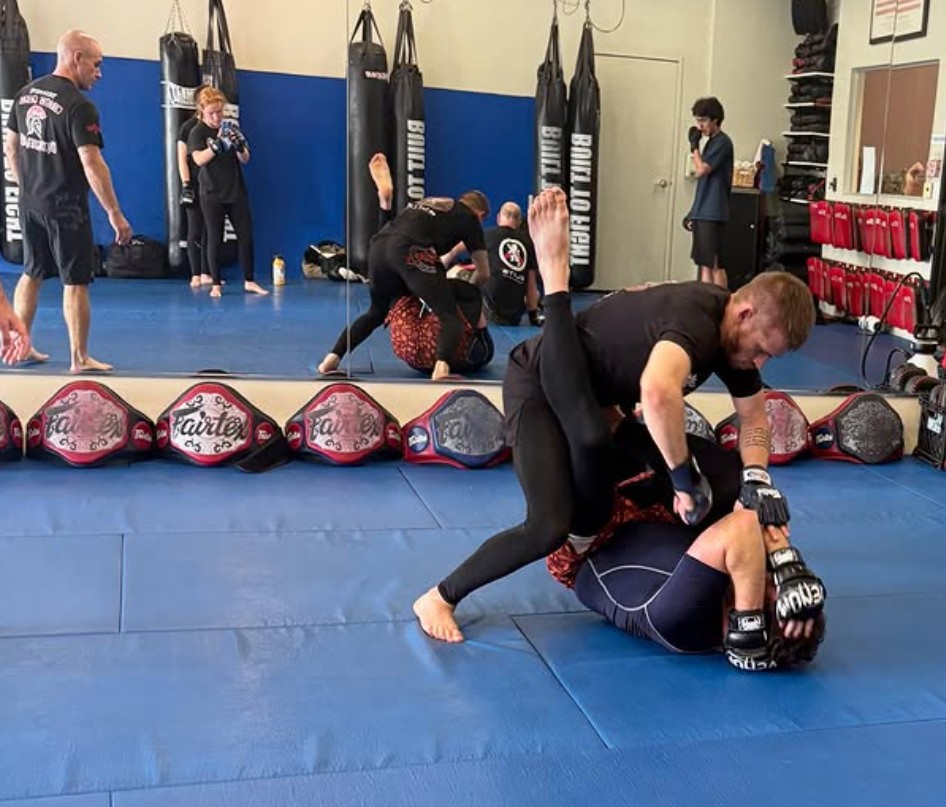
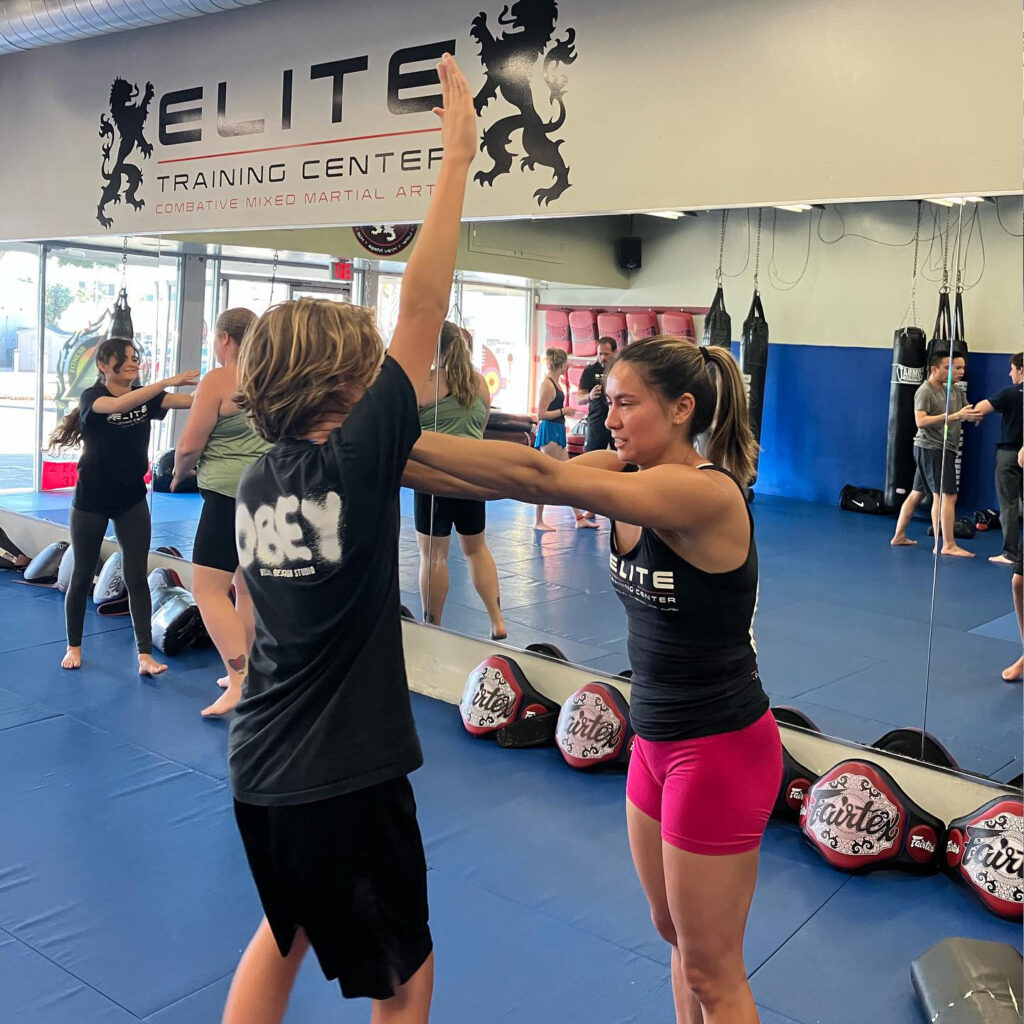
Experience authentic Brazilian Jiu-Jitsu at Elite Training Center with guidance from certified instructors. Classes provide hands-on training in technique, sparring, and strategy, helping students develop confidence, discipline, and practical self-defense skills.
If you want hands-on experience with authentic Jiu-Jitsu training, you can try 2 free classes at our school. Learn more about our Jiu-Jitsu Martial Arts Classes in Redondo Beach

FAQs About Brazilian Jiu-Jitsu
Where did Brazilian Jiu-Jitsu come from?
BJJ originated in Brazil in the early 1900s, developed by the Gracie family from Japanese Judo and Jujitsu techniques taught by Mitsuyo Maeda.
Who created Brazilian Jiu-Jitsu?
The Gracie family, particularly Carlos and Helio Gracie, adapted Japanese Judo into a system focused on ground control and submissions suitable for real combat scenarios.
Is Brazilian Jiu-Jitsu good for self-defense?
Yes. BJJ teaches techniques to control or neutralize opponents regardless of size or strength, making it effective for self-defense.
Which Gracie family members competed in the early UFC?
Several Gracie family members were instrumental in bringing Brazilian Jiu-Jitsu to the global stage through early Ultimate Fighting Championship (UFC) events. Most notably, Royce Gracie competed in UFC 1, UFC 2, and UFC 4, demonstrating the effectiveness of BJJ against opponents from various martial arts disciplines. Other family members, such as Rickson Gracie, Royler Gracie, and Renzo Gracie, also competed in different tournaments, helping to showcase the practicality of their techniques and cement the family’s legacy in MMA history.
What martial arts influenced Brazilian Jiu-Jitsu?
Primarily Japanese Judo and Jujitsu, with modern BJJ also influenced by wrestling and other grappling arts.
Can BJJ be used in Mixed Martial Arts?
Absolutely. BJJ is a foundational martial art for MMA, providing essential skills for ground fighting, submissions, and positional control.
Is Brazilian Jiu-Jitsu suitable for children?
Yes. Youth programs focus on safety, discipline, confidence, and coordination while teaching practical self-defense skills.
How long does it take to progress in BJJ?
Progress depends on training frequency and dedication. Consistent practice develops technique, timing, and strategy over time.