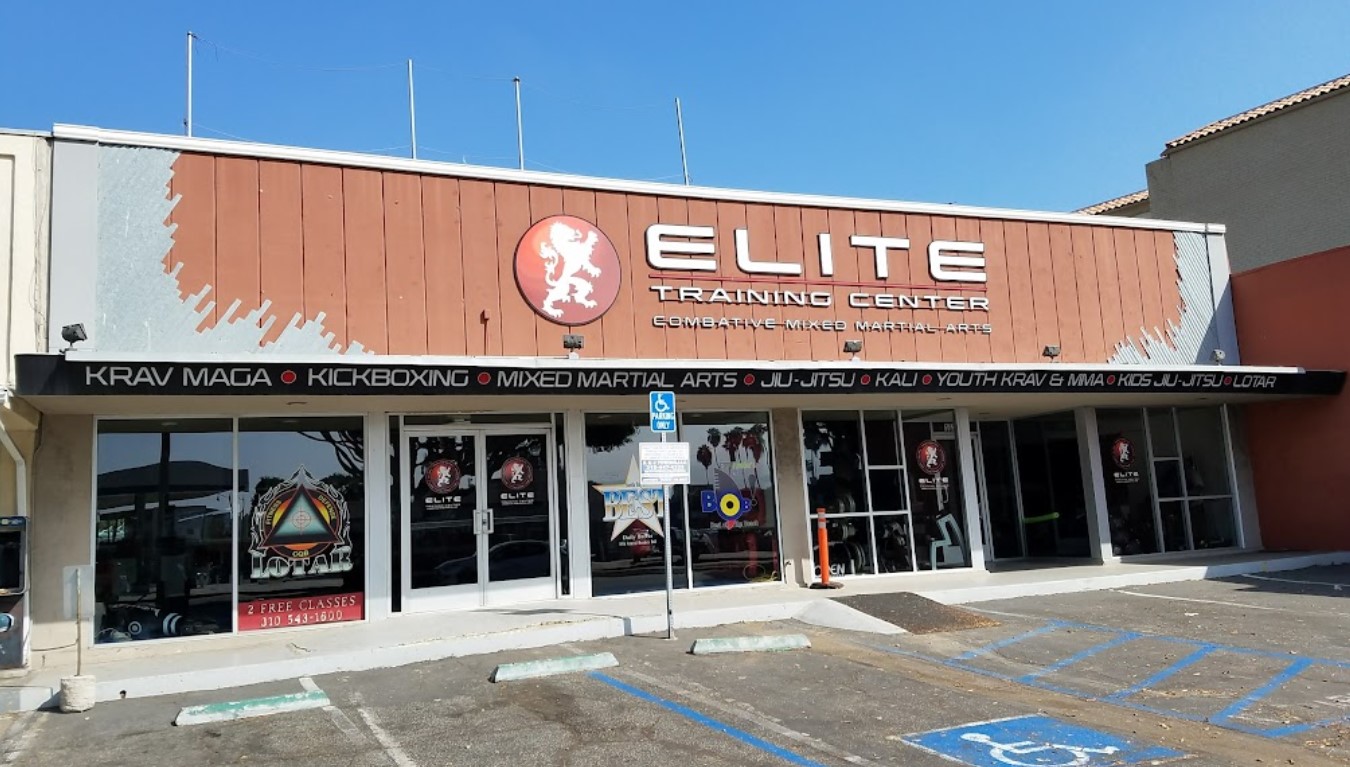
Hello Elite Training Center Friends,
This week’s classes in the Brazilian Jiu-Jitsu program saw us practicing techniques in combatives and self-defense focusing mostly on ground work. The two main concepts explored this week were escaping headlocks on the ground and how to use basic submission attacks from your closed guard. We started this off with the expression, “We don’t teach you headlocks in jiu-jitsu: We teach how to get out of them!”
On the mat this week we began with learning the basics of escaping a headlock position. This is one of the most common techniques a novice groundfighter will you against you. When the opponent is attacking you with a headlock without trapping your arm, the basic techniques that we practiced were: The Frame; The Leg Hook & Getting To Your Knees. These basic concepts will help you get out of several types of the most common resistance against an opponent that traps you in a headlock. Use these moves based off of what the opponent gives you during the escape. If he gives you nothing, relax-breathe- and wait for an opportunity to escape; however, if the opponent gives you the frame technique: go for it and commit to using the technique. When there is a counter to the frame strategy, use a different technique like the leg hook. Practice the ability to flow from position to position based off of the most common counter attack. After a little while, you will find you have a little game of overall strategy, and escaping headlocks will be one of easiest things to do in jiu-jitsu. Later in the curriculum we will explore what to do if the opponent controls your head and arm. This is a variation of the headlock position mostly used by wrestlers, judo players and even some Brazilian Jiu-Jitsu fighters.
Later in the week, the second focus explored in our classes were submission attacks from the closed guard. The first technique was the two handed X-lapel collar choke. We practiced the strategy of bringing both hands deep into the collar to make the basic x-choke more powerful from a leverage point of view. Many on you found this choke easy to perform after you understand which way to turn your wrist. Remember to open up the collar with the free hand; feed the one hand in the collar; shoot the now free hand into the collar touching both hands behind the opponent’s neck in the collar; grab the collars tight; turn your wrist so you can look at your palm sides of your fist; and pull the opponent to you as if you were rowing a boat…and not like you were doing a muscle curl.
Next we explored how to perform the kimura armlock/shoulderlock (Gyaku ude-garami) and the guillotine choke from the guard. The idea I wanted you to all develop this week was to perform “MOVES IN TWO!” By this I meant to perform the technique that the opponent was giving you, and if he resists the technique use the second or next technique he is giving you. The basic kimura shoulder lock can easily transition into the guillotine chokehold from the guard if the opponent counters the kimura. If he doesn’t counter the kimura, finish the submission hold. All of the techniques this week required many little adjustments to find the right leverage. Take your time in learning these techniques and review them over and over again because you will start to see them in other common jiu-jitsu positions.
In one of the classes, at the end I told the story of how the kimura armlock was given it name by Brazilian Jiu-Jitsu fighters and is now called this in many grappling styles of martial arts. The kimura was named after the judoka Masahiko Kimura, who used the submission technique to defeat one of the founders of Brazilian Jiu-Jitsu, Grand Master Hélio Gracie. Today we use the armlock named Kimura to refer to Masahiko Kimura out of respect!

Be ready for next week.
Best,
Prof. “little” Tony Pacenski
Elite Training Center